 monthlet
Press kit
Last updated: July 27, 2026
Everything you need to write about monthlet: ready-to-use descriptions, a fact sheet, screenshots, and demo footage. All of it is free to use. If something you need is missing, email [email protected] and we will send it over.
Boilerplate
Three lengths, ready to paste.
monthlet is an AI-native note app where you speak your mind in plain language and the AI writes the whole note — layout and all — as a local, plain-HTML file you own.
monthlet is an AI-native note app. You dump raw thoughts and say what you want in plain language; the AI writes the note and chooses the layout — banners, columns, tabs, spreadsheets, charts. Every note is a plain HTML file on your disk, so nothing is locked in. Free with your own API key.
monthlet is an AI-native note app. Instead of formatting notes by hand, you dump raw thoughts — bullets, fragments, no structure needed — and tell it in plain language what you want. The AI writes the note and decides the layout automatically: banners, columns, tabs, real spreadsheets, live charts, full-note themes. To revise, you just ask, and only that part updates. Every note is a plain HTML file stored locally on your disk — no cloud service, no lock-in, readable in any browser for years to come. The app is free and complete with your own AI key (Claude, OpenAI, or Gemini). Available on macOS; Windows on the way.
Fact sheet
- Name
- monthlet — always lowercase. The name is an anagram of HTML + NOTE.
- Category
- AI-native note app / note-taking software
- Requirements
- macOS on Apple Silicon (M1 or later) today. Windows on the way.
- Price
- Free and complete with your own AI key — full features, unlimited notes. A subscription service, monthlet AI ($9.90 / mo, $99 / yr), is coming: it runs the AI for you, no key or setup required. Everything else is identical.
- AI providers
- Bring your own key. Claude (Anthropic), ChatGPT (OpenAI), and Gemini (Google) are all first-class.
- File format
- Plain HTML — one standalone
.htmlfile per note, opens in any browser. - Privacy
- Local-first. Notes live as plain files on your disk, not in a cloud service. API keys are stored in the macOS Keychain and handled only in the main process, never exposed to the renderer. With your own key, AI requests go straight from your device to your chosen provider — your data never touches monthlet servers.
- Built on
- Electron.
- General launch
- August 1, 2026.
- Maker
- Built by an independent developer, solo.
Why it was built
For a while, using AI to write notes meant the same loop, over and over: ask the AI, copy the answer, paste it into a note, fix the formatting, then go back and ask again. The thinking was the easy part. The busywork around it — copying, pasting, reformatting, keeping everything tidy — was where the time went.
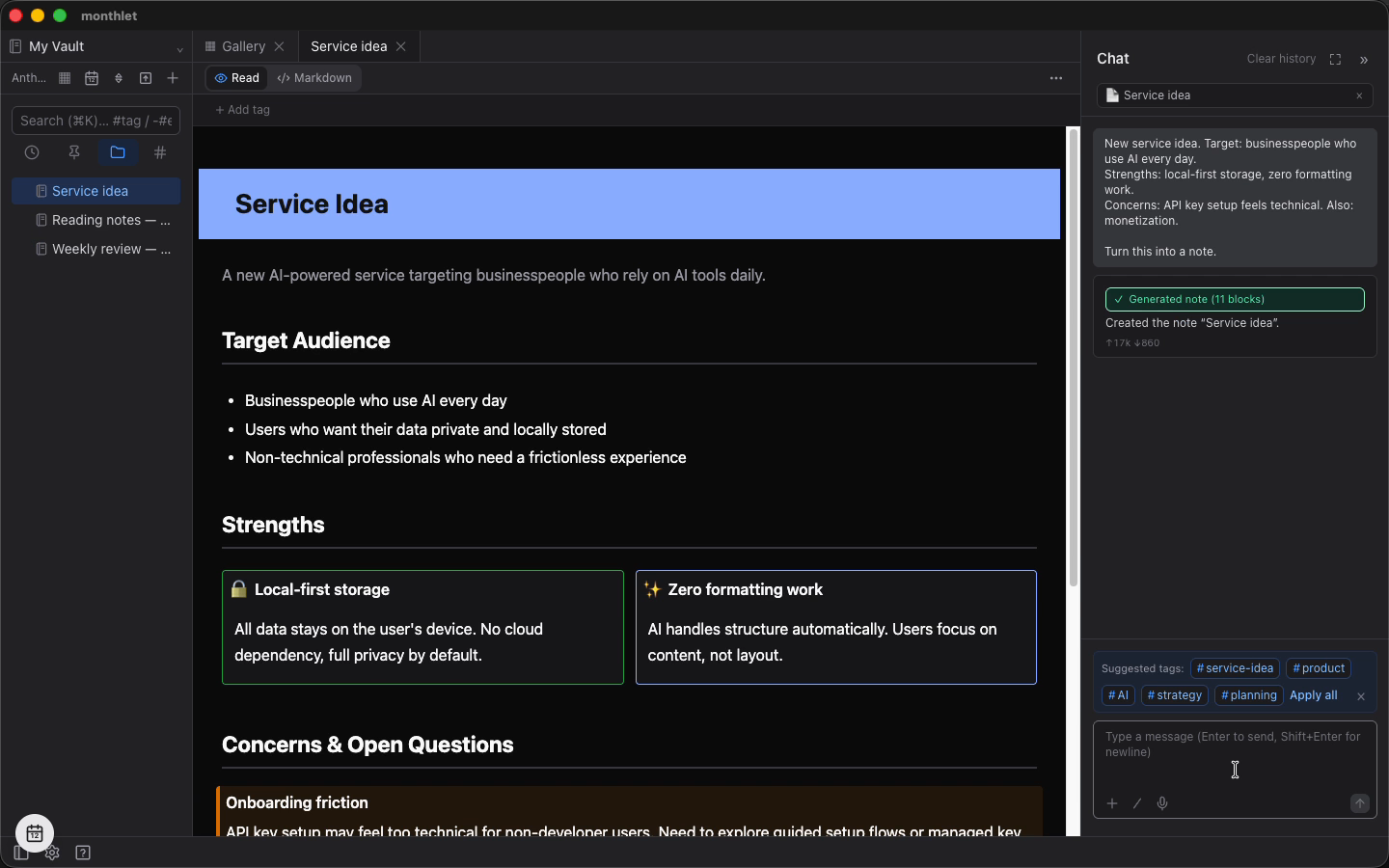
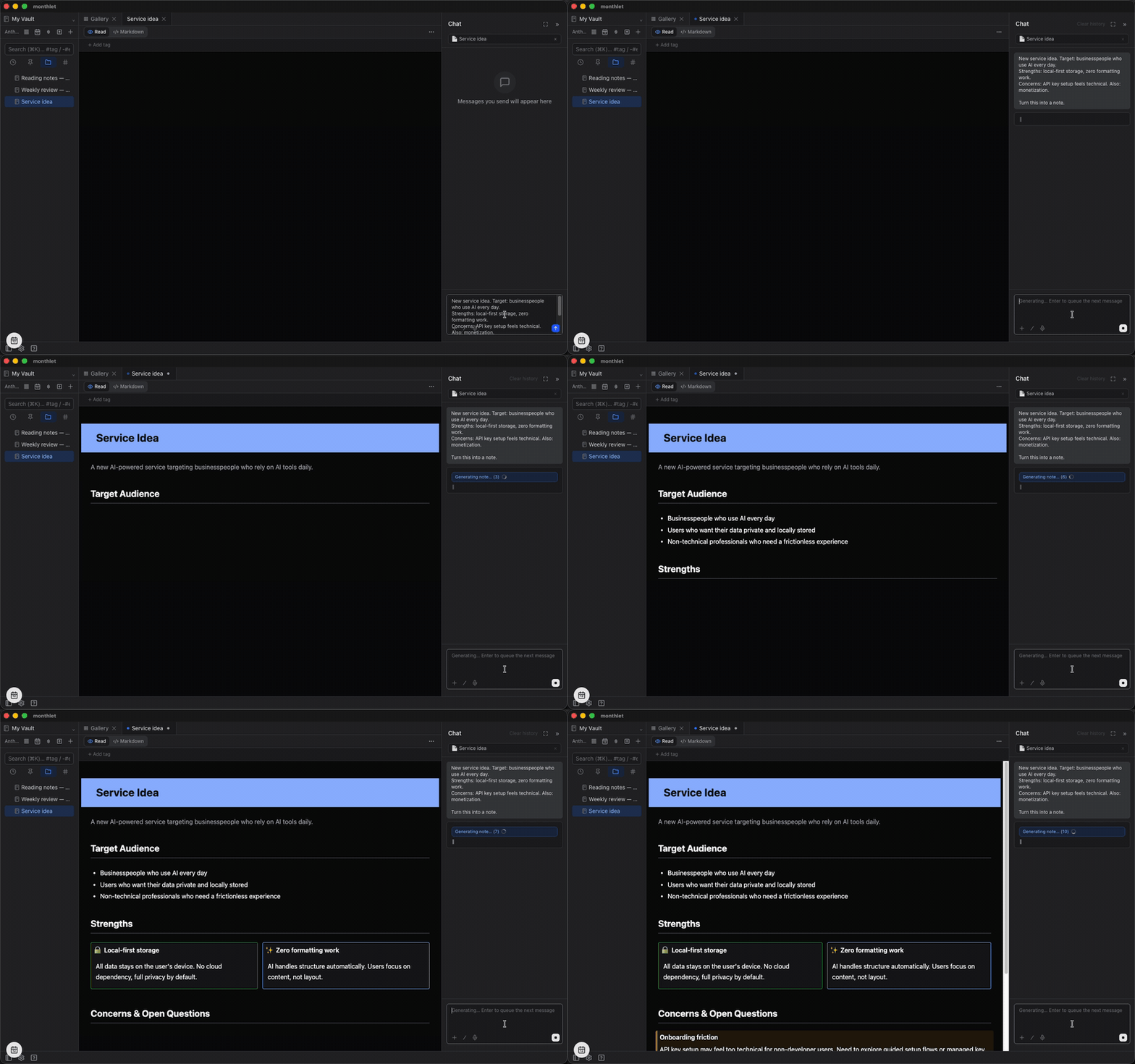
monthlet is the answer to that loop. You dump your raw thoughts, in whatever shape they arrive, and say what you want in plain language: "turn this into a note." The AI writes it and chooses the layout for you — banners, columns, tabs, a table, a chart if the data calls for one. When you want to change something, you just ask, and only that part updates. You describe; it builds. No copy-paste, no manual formatting.
Underneath, the philosophy is ownership. Every note is a plain HTML file sitting on your own disk — not a row in someone else’s database. Plain HTML opens in any browser, today or in ten years, with no app required. That idea is baked into the name: monthlet is an anagram of HTML + NOTE. Your notes are yours, in a format that outlives any single app.
Key features
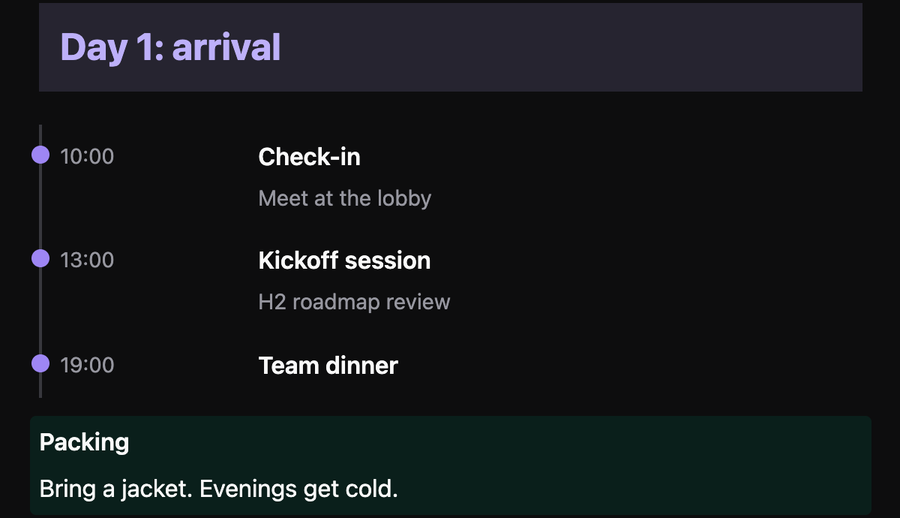
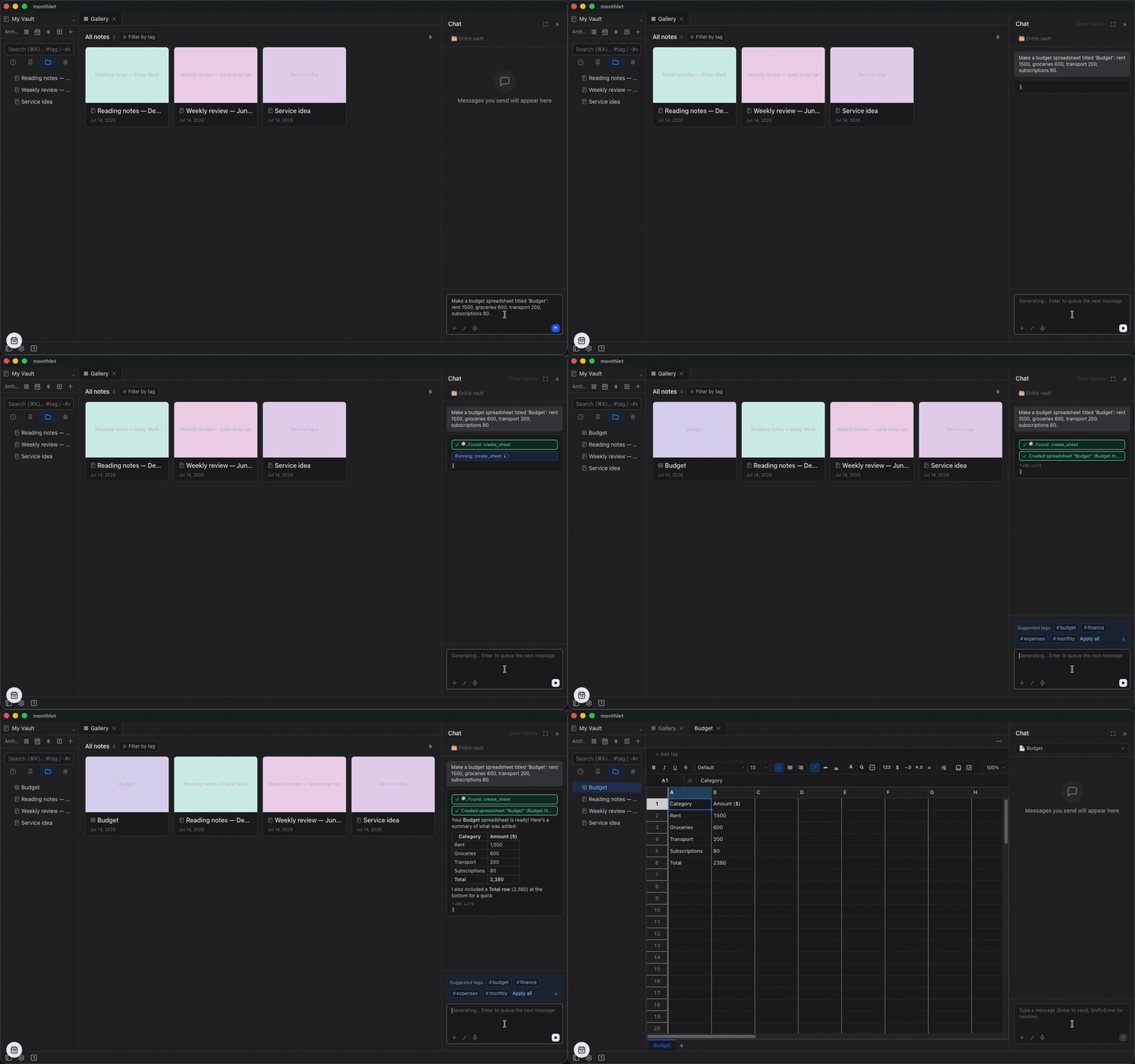
- Speak, and the AI writes the whole noteLayout included. You provide raw thoughts and a plain-language request; it chooses banners, columns, tabs, and structure automatically.
- Diff-style revisionsAsk for a change and only that part updates, instead of regenerating the whole note.
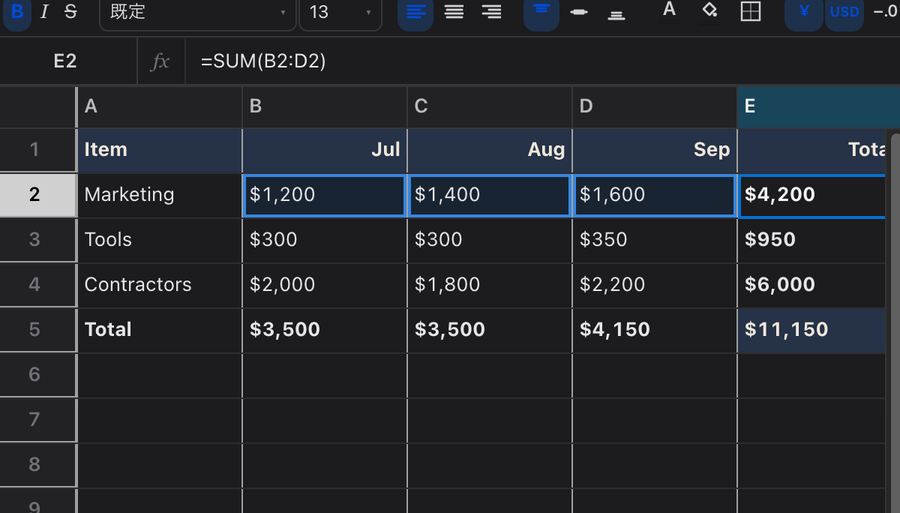
- Real spreadsheetsFormulas and formatting, created and edited by talking.
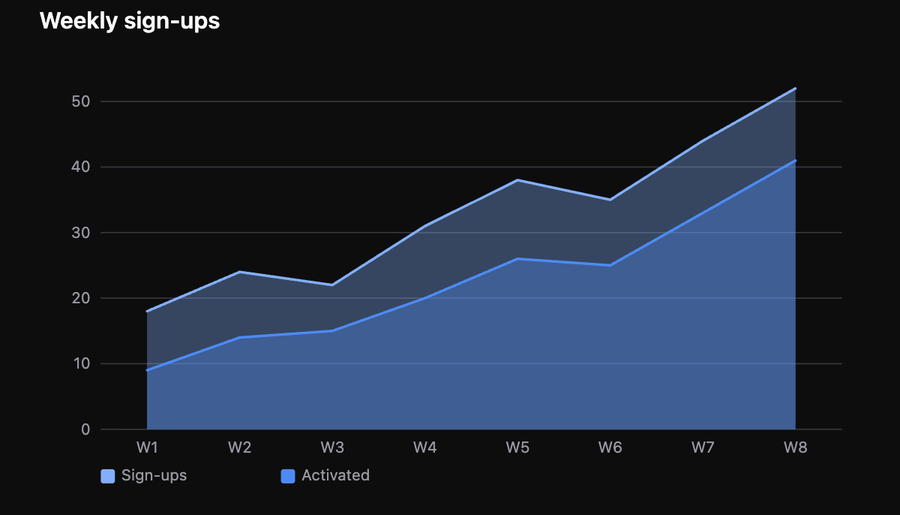
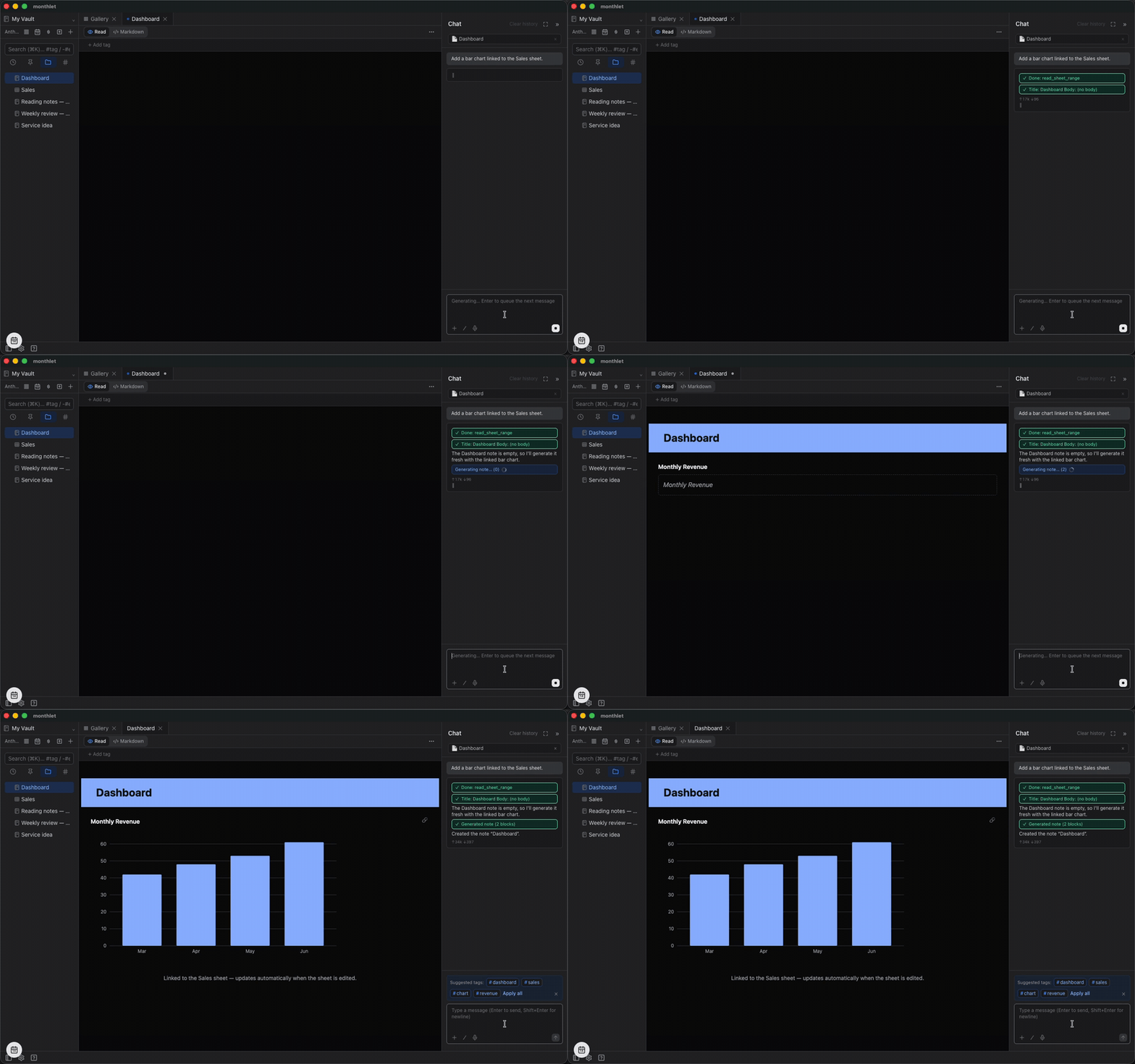
- Live chartsBound to your sheet data, so they update as the numbers change.
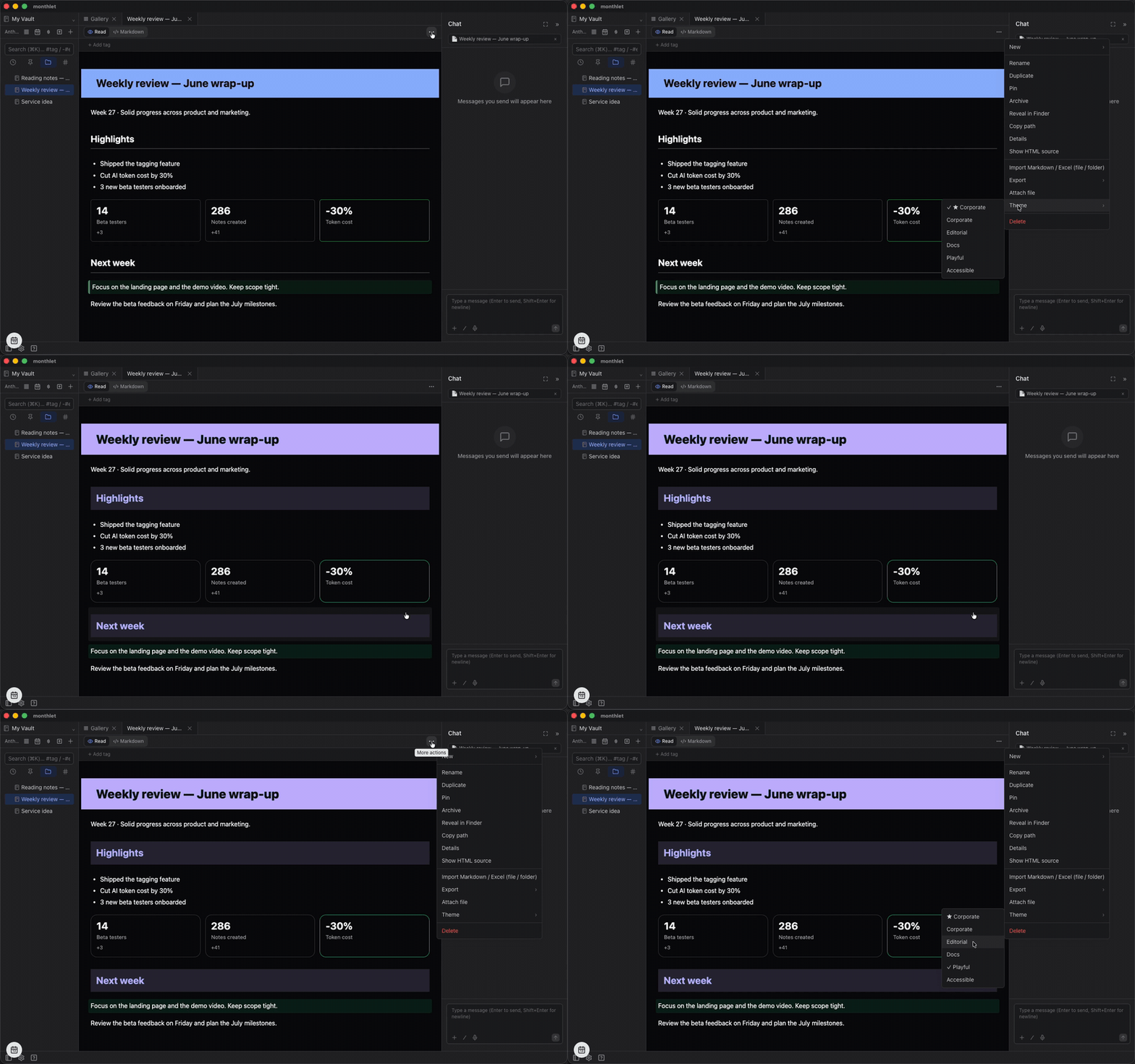
- Instant full-note themesChange a note’s entire look in one request. No CSS.
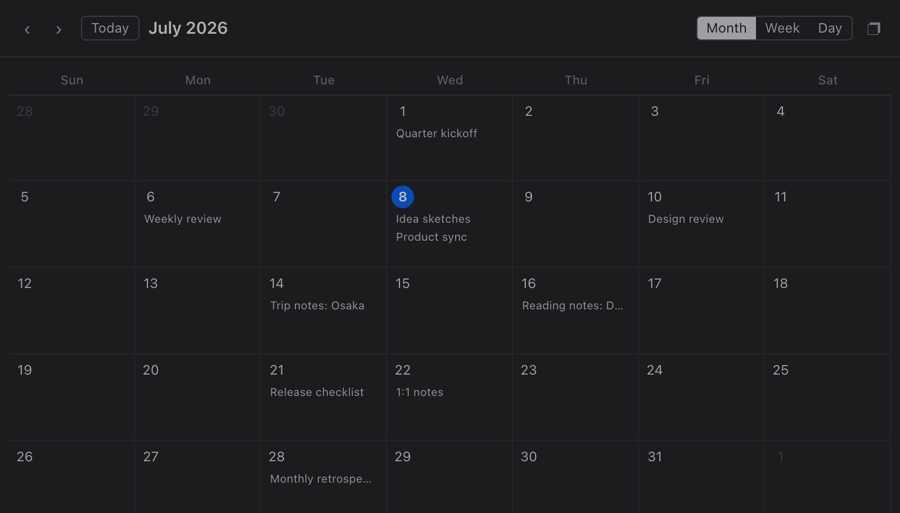
- Built-in calendarMonth, week, and day views, with one-click daily notes.
- Bring your own keyClaude, ChatGPT, or Gemini, all first-class; keys kept in the macOS Keychain.
- Local, plain-HTML filesEvery note is a standalone
.htmlfile on your disk, openable in any browser.
What makes it different
- The AI does the formatting, not just the writingIn most note tools you still lay things out by hand. Here you describe the outcome and the app builds the structure — including spreadsheets, charts, and themes — from plain language.
- Local-first, and truly yoursNotes are plain files on your disk, not entries in a cloud service. There is nothing to sign into to read your own notes.
- No lock-in, by formatBecause every note is plain HTML, it opens anywhere and keeps working long after any app — a portability guarantee built into the file format, not a promised export feature.
- Your key, your data pathWith your own key, requests go directly from your device to the AI provider you chose. monthlet is not in the middle of your data.
Screenshots and assets
Free to use in coverage of monthlet. Right-click to save, or email us for anything else you need.
Pull quotes
Tagline: Think. Speak. Done.
- The note app where AI writes the note — layout and all. Just speak your mind.
- Speak your mind; the AI writes the whole note, layout included.
- Notes you own: every one a plain HTML file on your own disk.
- "monthlet" is an anagram of HTML + NOTE — ownership and portability, built into the name.
- Bring your own key. Your data goes straight to the AI, never through us.
- Describe what you want. It builds the spreadsheet, the chart, the layout.
Contact and links
- Press, general enquiries, and support
- [email protected]
- Website
- monthlet.ai
- Download
- monthlet.ai/download